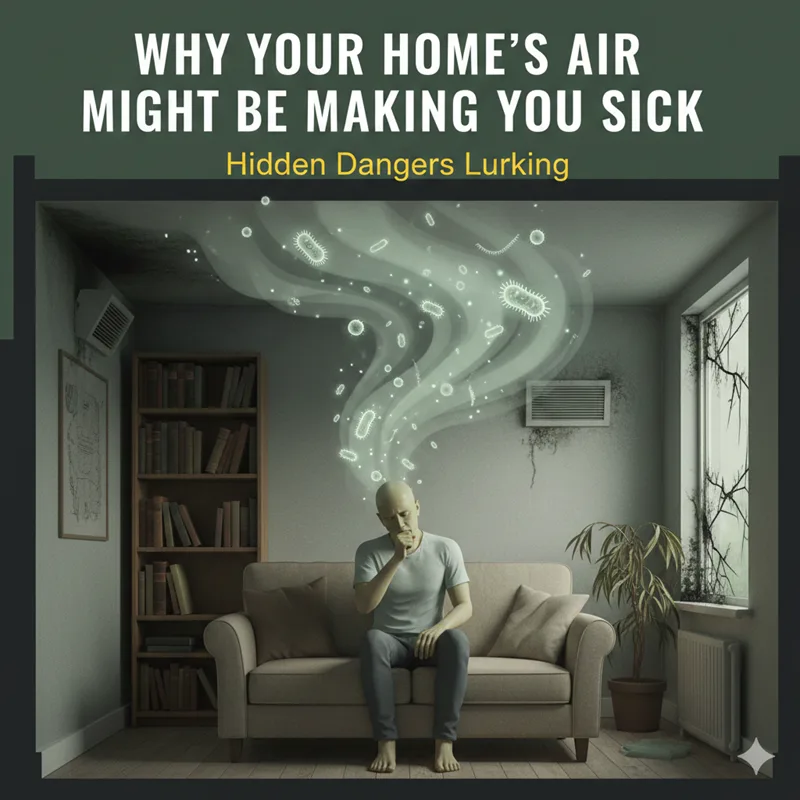
Why Your Home’s Air Might Be Making You Sick
We spend nearly 90% of our time indoors, assuming our homes are our ultimate sanctuary. But between the fresh coat of paint on the walls and the "lemon-scented" spray on the floor, we are creating a chemical soup. If you find yourself struggling with persistent headaches, dry eyes, or a scratchy throat, the culprit isn't outside—it’s in your cabinets.
1. The Smell of "New": Harmful effects of VOCs in paints
That "new house smell" is actually the off-gassing of Volatile Organic Compounds (VOCs). These chemicals are released from paints and finishes for months, or even years, after application.
The Impact: Short-term symptoms of toxic paint fumes inhalation include dizziness and nausea, but long-term exposure is linked to chronic respiratory issues and damage to the central nervous system. This is a major pillar of Indoor air pollution vs outdoor pollution.
2. The Cost of "Clean": Cleaning products and respiratory issues
Many popular floor cleaners, glass sprays, and disinfectants contain harsh ammonia, bleach, and synthetic fragrances.
The Warning: Spraying these in a closed room is like concentrated pollution. Research suggests that long-term use of chemical cleaners can be as damaging to the lungs as smoking a pack of cigarettes a day. This is particularly dangerous for Child safety, as children breathe faster and are closer to the floor where these chemicals settle.
3. That “Sick” Feeling at Home: Sick Building Syndrome Symptoms
Have you ever noticed that the moment you step outside your house, you start feeling a little better—lighter, clearer, more energetic? If yes, your home itself might be making you unwell. This condition is known as Sick Building Syndrome.
Sick Building Syndrome occurs when poor ventilation traps polluted indoor air inside your home. Toxic fumes released from furniture glue, carpets, wall paints, air fresheners, and chemical cleaners slowly build up in enclosed spaces. Over time, breathing this air can lead to Sick Building Syndrome symptoms such as constant fatigue, headaches, skin rashes, eye irritation, dry throat, and even breathing problems. Many people mistake these signs for stress or seasonal illness, without realizing the real issue is the air inside their own home.
4. Take Back Control: Improving Indoor Air Quality at Home
The good news is that you don’t need drastic changes to breathe healthier air indoors. A few smart choices can dramatically improve your home environment and protect your family’s health.
Choose Wisely During Renovation
If you’re renovating or repainting your home, always opt for Low-VOC or Zero-VOC paints. These paints are just as durable and attractive as regular ones, but they release far fewer harmful chemicals. Using them is one of the most effective ways of improving indoor air quality at home.
Switch to Natural Cleaning
Most commercial cleaning products release invisible toxic gases long after you use them. Instead, try natural alternatives like distilled white vinegar, baking soda, and lemon. They can clean kitchens, bathrooms, and floors effectively—without adding a single harmful pollutant to your indoor air. This simple shift supports chemical-free indoor living.
Let Plants Do the Filtering
Nature has its own air purifiers. Adding the best air-purifying plants such as Snake Plant, Aloe Vera, and Peace Lily helps remove toxins from the air naturally. These plants act like biological filters, improving oxygen levels while also making your space calmer and more refreshing.
The 20-Minute Airing: Open your windows for at least 20 minutes a day. Cross-ventilation is the simplest way to flush out stagnant chemical air.
Dr. Vertika Kulshrestha- A clean home shouldn't smell like a laboratory. Real cleanliness is the absence of dirt and chemicals, not the presence of artificial perfumes. By making small changes in how you paint and clean, you can ensure that your home is a place of healing, not a source of illness.